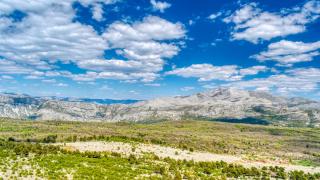
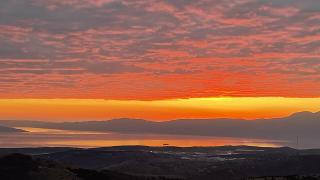
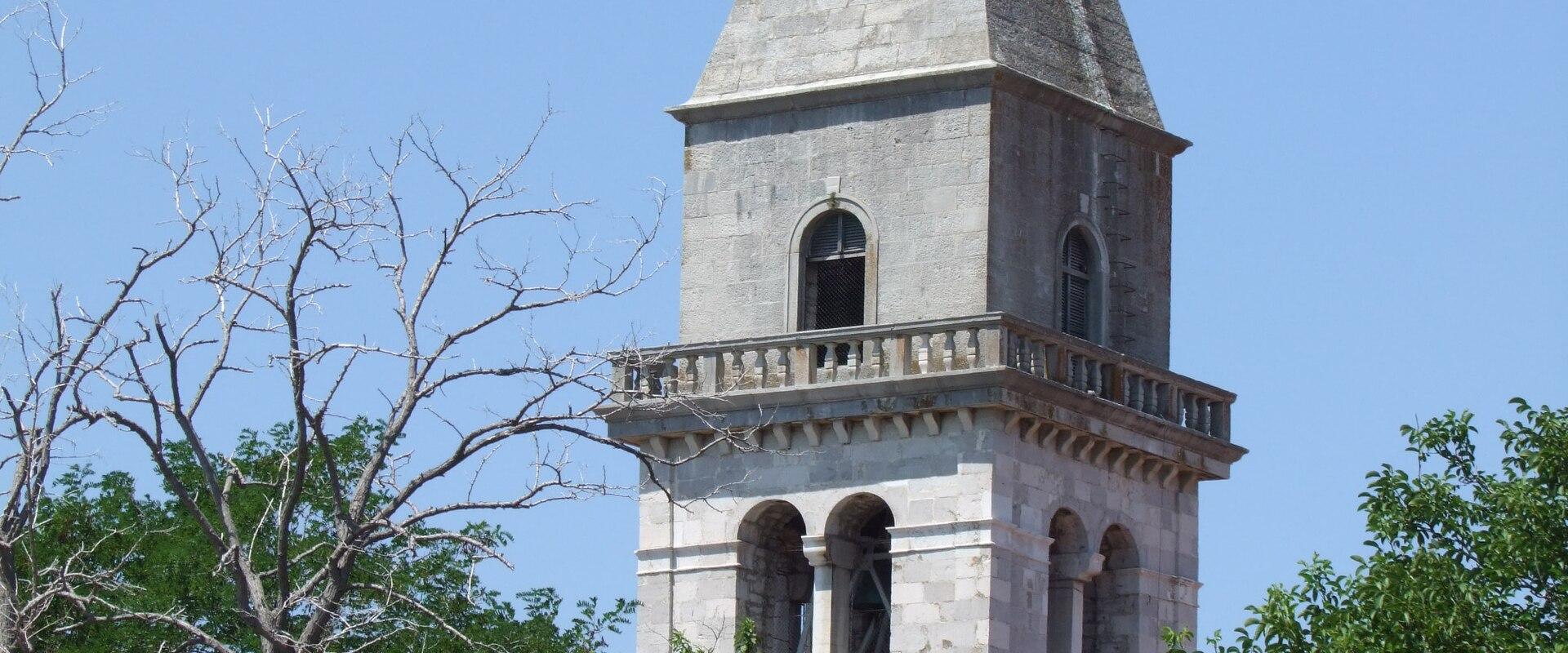
Cres Island, the northernmost of Croatia’s large Adriatic islands, is a place where nature and history intertwine to create a distinctive travel experience. With an area of 405.78 square kilometers, Cres is tied with neighboring Krk as the largest island in Croatia. Its landscape is marked by rugged limestone cliffs, hidden coves and lush forests, while the interior is dotted with olive groves and ancient stone walls. The island’s history dates back to prehistoric times, with evidence of Illyrian, Roman and Venetian settlements that shaped the cultural fabric of Cres. The Romans knew the island as Crepsa, and together with Lošinj it formed a single land, cut by a canal at Osor in antiquity, so that the two islands have always been closely linked. In the Middle Ages the island came under Venice, and in the 19th century under Austria.
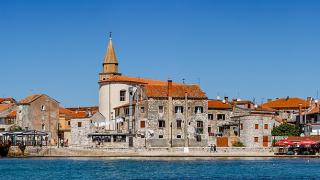
The main town, Cres, is a charming harbor settlement with narrow cobbled streets, pastel-colored houses and a lively waterfront lined with cafes and restaurants. The town’s centerpiece is the Venetian Tower and the Church of St. Mary, which reflect the island’s long association with the Venetian Republic. The Cres Museum, housed in a Renaissance palace, offers insight into the island’s past, with artifacts from Roman times to the present day, and the old town walls and gates are pleasant to walk around. Evening on the quay, with fishing boats and the smell of grilled fish, is the best time to see the town.
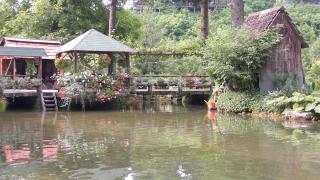
One of Cres’s most remarkable natural attractions is Lake Vrana, a freshwater lake in the island’s interior. This lake is a vital water source and a protected habitat for numerous bird species. Its water, among the clearest in Europe, supplies the islands of Cres and Lošinj, and a road along the shore gives views. The Beli Visitor Centre and Rescue Centre for Griffon Vultures is another highlight, dedicated to the conservation of these majestic birds that soar above the island’s cliffs. The village of Beli itself is one of the oldest settlements on Cres, perched high above the sea and offering panoramic views and a sense of timelessness.
Cres is also renowned for its pristine beaches and clear water. Mali Bok and Plaža Sv. Ivan are among the most beautiful, with turquoise seas framed by dramatic cliffs, and Veli Žal beach is a quiet spot for those who like peace. Martinšćica beach is known for its lively beach scene, water sports and beach bars, while quieter coves can be found along the island’s rugged coastline. Koromačna Bay, in the east, is a calm bay, and the Plava Grota, the Blue Grotto, is a cave reached by boat. The nearby village of Lubenice, set atop a steep cliff, is famed for its wide views and its small Sheep Breeding Museum, which highlights traditional island life. Valun, a small fishing village on a bay on the western side, is known for the Valun Tablet, a stone inscribed in Glagolitic and Latin script from the 11th century.
Outdoor activities abound on Cres. Hiking and cycling trails wind through forests and along the coast, revealing hidden bays and ancient ruins, and the long-distance paths through the island’s ridges offer solitude. Kayaking, sailing and snorkeling are popular ways to explore the island’s marine life and secluded beaches. Food lovers can enjoy local olive oil, fresh seafood and Cres lamb, a regional specialty, raised on herbs and salt-sprayed grass. The island’s olive oil and cheese are celebrated for their quality, and many family-run farms welcome visitors for tastings.
Getting to Cres is straightforward, with regular ferries connecting the island to the mainland at Brestova, in Istria, and Valbiska, on Krk. The island is also linked by bridge to Lošinj, which allows easy exploration of both islands. Public buses connect major villages, but renting a car or scooter offers the greatest flexibility for discovering Cres’s hidden corners. Accommodation ranges from boutique hotels and guesthouses in Cres town to campsites and private apartments scattered across the island.
The best time to visit Cres is from May to September, when the weather is warm and sunny and the sea is good for swimming. July and August are the busiest months, with lively beach scenes and festivals, while late spring and early autumn offer milder temperatures and fewer crowds. Spring is especially beautiful, with wildflowers in bloom and excellent conditions for hiking and birdwatching. Whether you seek adventure, relaxation or a journey into Croatia’s natural and cultural heritage, Cres Island offers a memorable stay.
Best time to visit
May to September offers warm, sunny weather and ideal swimming; late spring and early autumn are quieter with pleasant temperatures for outdoor activities.
What to see in Cres Island
Our picks first.
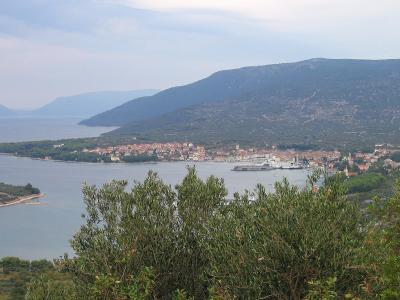
Cres Town
Historic coastal town with Venetian architecture
Cultural Experiences · Urban Exploration
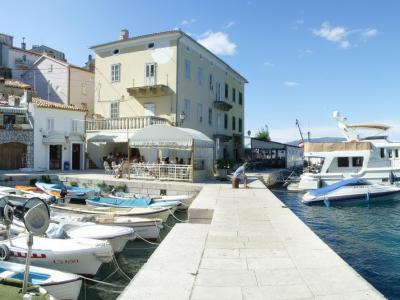
Valun
Historic fishing village with Glagolitic heritage
Coastal & Maritime · Urban Exploration
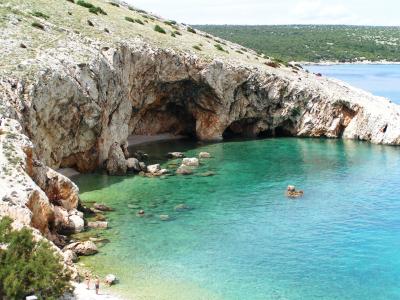
Koromačna bay
Sheltered bay with marina and historic harbor
Coastal & Maritime · Beaches
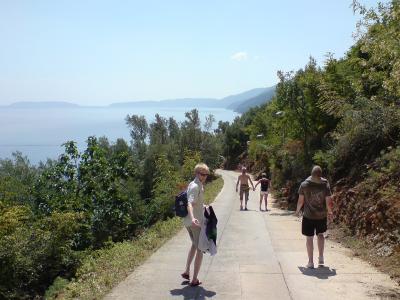
Mali Bok beach
Secluded pebble cove with clear blue waters
Coastal & Maritime · Beaches
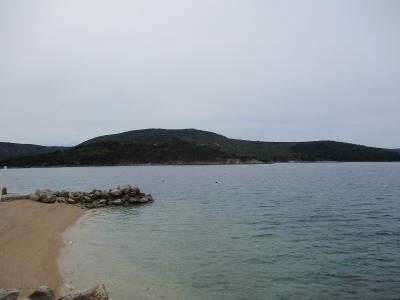
Sveti Ivan beach
Secluded white-shingle beach beneath Lubenice cliffs
Beaches · Water Sports
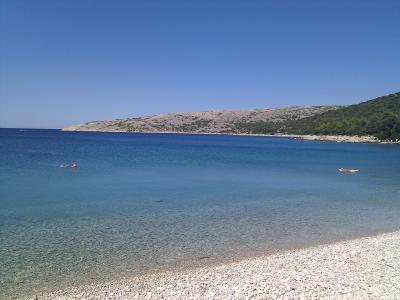
Veli Žal beach
Pebble beach with crystal-clear Adriatic waters
Coastal & Maritime · Beaches
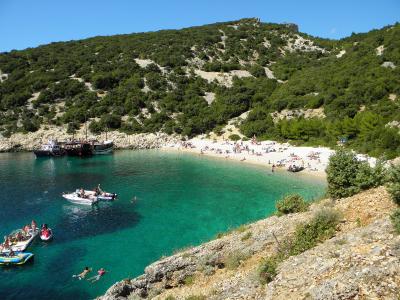
Plava Grota
Sea cave with dual entrances and pebble beach
Natural Wonders · Caves
Cres Island by interest
The same sights, grouped by what you came for.
Did you know?
Checked facts about Cres Island, each with its source.
-
Film & TV
German film 'Faraway' shot on Cres
The 2023 German drama film Faraway, directed by Vanessa Jopp, was filmed on the island of Cres. The plot involves a character fleeing to a Croatian island to find peace in a house her deceased mother had bought there.
Source: www.imdb.com -
History
Cres transferred to Yugoslavia in 1947
Due to Italy's alliance with the Axis powers during World War II, the island of Cres was handed over to Yugoslavia in 1947, along with other territories.
Source: en.wikipedia.org
Planning a visit to Cres Island
Itineraries that include Cres Island
Good to know
- Currency
- EUR
- Language
- Croatian
Quick Facts
Book your stay
Questions people ask
More places in Kvarner
Kvarner
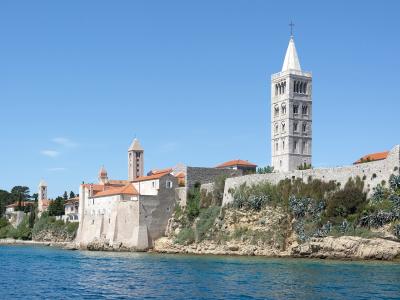
Rab Island
Sandy beaches, medieval towers, and vibrant island life
Kvarner
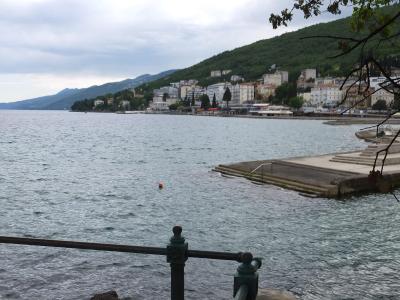
Opatija
Elegant Adriatic resort with historic villas and seaside promenades
Kvarner
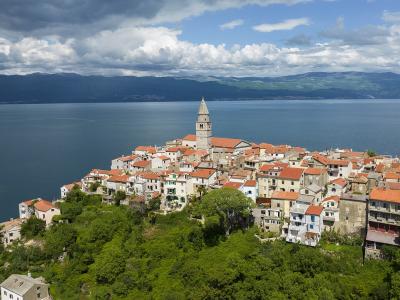
Krk
Largest Croatian island connected to mainland by bridge
Kvarner
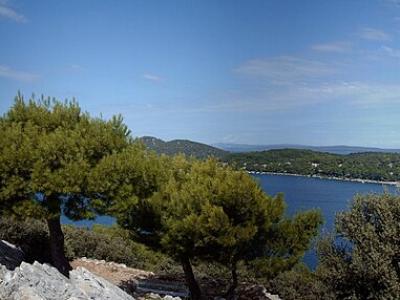
Mali Lošinj
Lošinj island’s largest town with dolphins, beaches, and maritime heritage